
В университетских лабораториях полимерных материалов и корпоративных научно-исследовательских центрах смесители Банбери (также известные как резиносмесители с замкнутым циклом) являются основным оборудованием для исследований в области смешивания и модификации пластмасс, каучуков и эластомеров, диспергирования наполнителей и реактивной обработки. Подходящий лабораторный смеситель Банбери должен не только точно отражать поведение материалов при смешивании, но и обладать хорошей повторяемостью и масштабируемостью.
Однако лаборатория миксер Банбери представленные на рынке, различаются по структуре и параметрам. Как избежать ситуации, когда вы покупаете один прибор, а потом обнаруживаете, что он не работает?
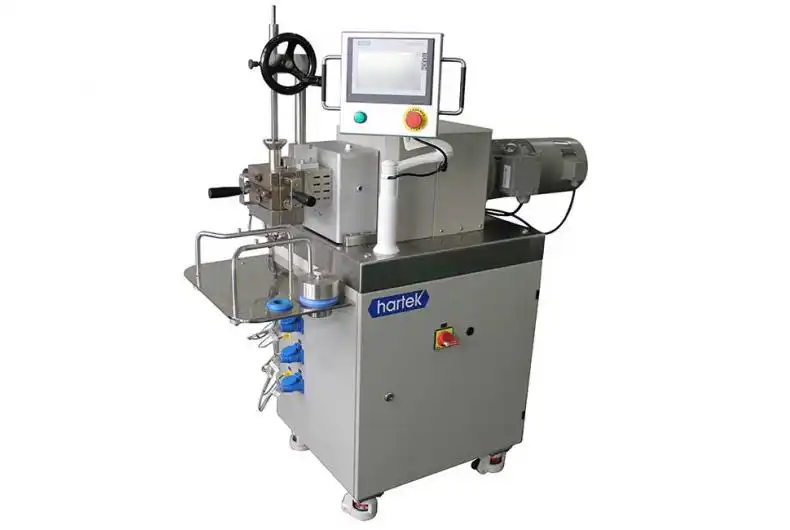
I. Материал смесительной камеры и обработка поверхности
Смесительная камера непосредственно контактирует с материалом, и от ее материала зависит коррозионная стойкость, износостойкость и сложность очистки оборудования.
- Нержавеющая сталь (например, SUS304, SUS630): Основной выбор, устойчива к коррозии, легко чистится, подходит для большинства полимерных материалов (содержащих галогены, кислотные добавки и т.д.).
- Инструментальная сталь/легированная сталь: более высокая твердость, более износостойкая, подходит для систем с высоким содержанием наполнителя (например, карбоната кальция, сажи, стекловолокна), но необходима профилактика ржавчины.
- Обработка поверхности: Зеркальная полировка (Ra≤0.1μm) может значительно уменьшить остатки материала; твердое хромирование или азотирование может улучшить срок службы.
- Рекомендации по выбору: Для обычных исследований и разработок выбирайте нержавеющую сталь с зеркальной полировкой; для материалов с высоким содержанием наполнителя или содержащих стекловолокно отдавайте предпочтение камерам с износостойким покрытием.
II. Конфигурация и материал ротора
Ротор - это “сердце” смесителя. миксер Банбери. Различные конфигурации соответствуют разным силам сдвига и характеру течения материала.
Тип "Банбери" (тип "ножницы"): Небольшой зазор между краями ротора и стенками камеры создает высокие усилия сдвига, что подходит для резины, термореактивных материалов и смесей, требующих высокопрочной дисперсии.
Тип ролика (тип зацепления): Роторы входят в зацепление друг с другом, многократно разделяя и складывая материал, что приводит к более мягкому и равномерному смешиванию. Подходит для термочувствительных пластмасс, мастербатчей и систем с низкой вязкостью.
Тип сигма (тип Z): Традиционная конфигурация со сдвиговыми усилиями между двумя типами, подходящая для высоковязких материалов, таких как ПВХ-паста и высоконаполненные мастербатчи.
Ключевой параметр: Зазор между ротором и стенкой камеры (обычно 0,5-2 мм). Меньшие зазоры приводят к увеличению сдвигающих усилий, но также повышают требования к точности обработки и крутящему моменту. Для лабораторных внутренних смесителей рекомендуется выбирать роторы с регулируемыми зазорами или прецизионной обработкой.
Материал: Для той же камеры рекомендуется использовать нержавеющую сталь или хромированную инструментальную сталь. Твердость поверхности ротора должна составлять ≥HRC55, чтобы противостоять износу наполнителя.
III. Система контроля температуры: Точность и скорость
Полимерные компаунды чрезвычайно чувствительны к температуре: слишком высокие температуры приводят к деструкции, а слишком низкие - к плохой пластификации.
Метод контроля температуры: Электрический нагрев + водяное/масляное охлаждение - основной метод в лабораториях. Высококачественное оборудование должно иметь независимый контроль температуры (раздельный контроль температуры для камеры и ротора) и возможность быстрого охлаждения.
Точность контроля температуры: Не менее ±1℃, ±0,5℃ требуется для сложных экспериментов (например, реактивной экструзии). Внимательно изучите данные о равномерности температуры в камере, предоставленные поставщиком (несколько измерений температуры).
Конструкция охлаждающего канала: Спиральные или перфорированные проточные каналы; охлаждающая среда должна покрывать заднюю, боковые стенки и вал ротора камеры. При покупке поинтересуйтесь временем, необходимым для охлаждения с 200℃ до 60℃ (обычно <10 минут).
IV. Крутящий момент и мощность привода
Крутящий момент напрямую определяет максимальную вязкость и объем наполнителя, с которым может работать оборудование.
Общелабораторный диапазон крутящих моментов: 5-200 Нм. Низкий крутящий момент (100 Нм) подходит для высоковязкой резины, полиэтилена со сверхвысокой молекулярной массой и высоконаполненных систем.
Тип двигателя: Серводвигатели превосходят частотные преобразователи, обеспечивая высокий крутящий момент на низких скоростях, высокую точность регулирования скорости (±1 об/мин), низкое энергопотребление и шум.
Советы по выбору: Четко определите материалы, которые вы чаще всего обрабатываете (например, полипропилен + стекловолокно 40%, натуральный каучук), и их типичную вязкость расплава. Попросите поставщика предоставить кривые крутящего момента или зависимости крутящего момента наполнителя для одной и той же модели оборудования для этих материалов.
V. Сбор данных и воспроизводимость процесса
Современные лабораторные миксеры должны быть не только “миксерами”, но и инструментами для регистрации данных.
Необходимые датчики: Температура в камере (не менее 2 точек), скорость вращения ротора, крутящий момент (или давление).
Функции программного обеспечения: Отображение и регистрация в реальном времени крутящего момента, температуры, суммарной потребляемой энергии (интеграла энергии), пика расплава и т.д.; поддержка экспорта данных (CSV/Excel) и сравнения наложения кривых процесса.
Почему это важно: оптимизированный процесс смешивания на этапе НИОКР (например, последовательность подачи, точки изменения скорости вращения ротора и температура выгрузки) должен быть точно зарегистрирован и передан на производство. Без регистрации данных эксперименты превращаются в “черный ящик”.”
VI. Другие практические детали
Подача и разгрузка: Пневматические или ручные загрузочные молотки должны быть хорошо герметичны и легко очищаться; угол наклона разгрузочной двери должен составлять ≥45°, чтобы избежать остатков материала.
Защита безопасности: Блокировка открытия камеры, сигнализация перегрева и защита от превышения крутящего момента - все это необходимо.
Простота очистки: Ротор и камера должны разбираться и собираться вручную (без специальных инструментов), а все контактные поверхности должны иметь скругленные углы без тупых углов.
 Russian
  English
  Arabic
  German
  Spanish
  French