
I. مقارنة خصائص الأغشية المنفوخة لثلاث مواد قابلة للتحلل الحيوي
| المواد | قوة الذوبان | الثبات الحراري | الصعوبة |
| PLA | منخفضة | ضعيف (سهل التحلل المائي والتحلل الحراري) | فقاعة الغشاء معرضة للاهتزاز، ولديها انكماش جانبي كبير، والغشاء هش. |
| PBAT | متوسط | أفضل | شديد الالتصاق، وعُرضة للالتصاق، ويصعب لفها. |
| PBS | منخفضة/متوسطة | متوسط | تبلور سريع، طبقة بيضاء وغير شفافة، صلابة غير كافية |
التحديات الشائعة: قوة الذوبان أقل عمومًا من البولي إيثيلين البولي إيثيلين التقليدي، وهو حساس لدرجة الحرارة والرطوبة والقص، ونافذة العملية ضيقة.
II. فيلم PLA المنفوخ: التحكم في درجة الحرارة والرطوبة، الاستقرار أمر بالغ الأهمية
PLA هو مادة نموذجية هشة وقابلة للتحلل الحيوي. وتتمثل المشاكل الأكثر شيوعًا أثناء بثق الغشاء المنفوخ في اهتزاز فقاعة الغشاء وهشاشة الغشاء.
- المعالجة المسبقة للمواد الخام: التجفيف هو الخطوة الأولى
PLA مادة PLA شديدة الاسترطاب. سيؤدي محتوى الرطوبة الذي يتجاوز 250 جزء في المليون إلى تحلل مائي وانخفاض حاد في الوزن الجزيئي وظهور العديد من النقاط البلورية والفقاعات وحتى تكسر الفيلم أثناء بثق الفيلم المنفوخ.
ظروف التجفيف: التجفيف بالهواء الساخن عند درجة حرارة 70-80 درجة مئوية لمدة 4-6 ساعات، ونقطة الندى ≤ -40 درجة مئوية، مع ضمان محتوى رطوبة أقل من 200 جزء في المليون.
ملاحظة: استخدمه في غضون ساعة واحدة بعد التجفيف، أو ضعه في خزانة إزالة الرطوبة.
- إعداد درجة حرارة البثق: الأقل أفضل من الأعلى
تتميز PLA بدرجة حرارة ذوبان تتراوح بين 170-190 درجة مئوية، ولكن عتبة التدهور الحراري منخفضة. التسخين المتدرج الموصى به:
- قسم التغذية: 150-160 ℃ (لمنع التجسير)
- قسم الضغط 170-180℃
- قسم القياس: 175-185℃
- رأس القالب 170-180 ℃ (ستؤدي درجة حرارة رأس القالب الزائدة إلى انكسار الذوبان)
- النقاط الرئيسية: يجب ألا يتجاوز الفرق في درجة الحرارة بين نهاية البرميل ورأس القالب 10 ℃، ويجب ألا تتجاوز درجة حرارة الذوبان 200 ℃، وإلا سيصفر لون PLA ويتحلل بسرعة.
- معالجة الفيلم المنفوخ: نسبة نفخ صغيرة + نسبة سحب كبيرة
- نسبة النفخ: 1.5-2.5 (عادةً ما تكون نسبة النفخ 2.5-4). ستؤدي النسبة العالية جدًا إلى زيادة اهتزاز الفقاعة.
- نسبة السحب: 3-6 (أعلى قليلاً من البولي إيثيلين). يحسن التمدد الطولي من صلابة الفيلم، ولكن يجب موازنة الانكماش الجانبي.
- ارتفاع خط الصقيع: يتم التحكم فيه عند 80-150 مم. يؤدي الخط المنخفض للغاية إلى تبريد سريع للغاية وتبلور غير كافٍ للفقاعات؛ ويؤدي الخط المرتفع للغاية إلى تشوه الفقاعات.
- حلقة هواء: استخدم حلقة هواء ثنائية المخرج قابلة للتعديل. يقوم مخرج الهواء العلوي بتثبيت فقاعة الغشاء، ويقوم مخرج الهواء السفلي بتبريدها. يجب أن يكون حجم الهواء صغيرًا وليس كبيرًا.
4. المشاكل الشائعة والحلول
| الأسئلة | الأسباب المحتملة | الحل |
| كانت الفقاعة الغشائية تهتز بشدة. | قوة الذوبان غير كافية | أضف موسع سلسلة 0.5-1% (مثل ADR)؛ وخفض درجة حرارة القالب بمقدار 5 درجات مئوية. |
| الفيلم هش وسهل التمزق. | الإفراط في التوجه أو التدهور | تقليل نسبة السحب؛ تحقق مما إذا كان محتوى الرطوبة زائداً. |
| النقاط البلورية/البقع السوداء | التدهور أو الشوائب | تنظيف البرغي؛ تقليل وقت المكوث؛ استبدال الفلتر. |
ثالثاً الغشاء المنفوخ من PBAT: مضاد للحجب والتحكم في الالتصاق
يتميز PBAT بالصلابة والمرونة الجيدة، ولكن الالتصاق السطحي والالتصاق المتعرج هما مشكلتان رئيسيتان.
- خصائص معلمة العملية
درجة الحرارة: قسم التغذية 130-140 ℃، وقسم الضغط 145-155 ℃، وقسم القياس 150-160 ℃، ورأس القالب 145-155 ℃. تبلغ درجة انصهار PBAT حوالي 120-130 ℃، ولكن تزيد سيولته بشكل كبير مع زيادة درجة الحرارة؛ يمكن أن تتسبب درجات الحرارة المرتفعة للغاية في انهيار فقاعة الغشاء.
سرعة البرغي: يجب ألا تكون سريعة جدًا، يوصى بسرعة 30-60 دورة في الدقيقة. سيؤدي القص العالي إلى كسر سلاسل جزيئات PBAT، مما يقلل من قوة الذوبان.
- الطرق الأساسية لحل مشكلة الالتصاق
- إضافة عوامل مضادة للحجب: تؤدي إضافة 0.5-2% السيليكا أو التلك إلى التركيبة إلى تشكيل نتوءات مجهرية على سطح الفيلم، مما يقلل من مساحة التلامس.
- تعزيز التبريد: قم بزيادة تدفق الهواء في حلقة الهواء وخفض درجة حرارة أسطوانة التبريد (إن أمكن) إلى 20-30 درجة مئوية لضبط سطح الفيلم بسرعة.
- شد الالتواء: استخدم التحكم في الشد الثابت ذو الحلقة المغلقة، مع قيمة شد 30-50% أقل من PE، وقم بتغطية سطح عمود الالتقاط بمادة تحرير (مثل قماش التفلون).
- المشاكل الشائعة
- التصاق الفقاعات بقفص تثبيت الفقاعات: خفض درجة حرارة القالب بمقدار 5 درجات مئوية، أو رش طلاء مضاد للالتصاق على سطح قفص تثبيت الفقاعات.
- انكماش عرضي شديد للفيلم: زيادة نسبة النفخ بشكل مناسب إلى 2.0-2.5، مع تقليل نسبة السحب.
رابعا الفيلم المنفوخ PBS: التحكم في التبلور وتحسين الشفافية والمتانة
يتبلور PBS بسرعة، وغالبًا ما ينتج عنه أغشية منفوخة بيضاء وغير شفافة وهشة.
- التبريد السريع لمنع التبلور
يتبلور PBS عند 80-100 ℃ تقريبًا. يعد التبريد السريع ضروريًا أثناء إنتاج الفيلم المنفوخ لمنع نمو الكريات: يجب أن تكون فوهة حلقة الهواء قريبة من القالب قدر الإمكان (10-30 مم من فتحة القالب).
يجب أن يكون تدفق الهواء عند الحد الأقصى، وكلما انخفضت درجة حرارة الهواء، كان ذلك أفضل (يمكن استخدام الهواء المبرد).
يجب التحكم في ارتفاع خط الزينة الأبيض عند 50-100 مم، وكلما كان أقصر كان ذلك أفضل.
- تعديل المزج لتحسين الصلابة
تكون أغشية PBS النقية هشة وعادةً ما يتم مزجها مع PBAT (PBS/PBAT = 70/30 إلى 50/50): يزيد المزج من قوة الذوبان ويحسن ثبات الفقاعات.
ينتقل الفيلم من الكسر الهش إلى الكسر المطّاطي، وتتحسن الشفافية.
- إعدادات درجة الحرارة
نافذة معالجة PBS: 180-200 ℃، أعرض قليلاً من PLA: قسم التغذية 160-170 ℃، قسم الضغط 175-170 ℃، قسم القياس 180-190 ℃، رأس القالب 175-185 ℃.
ملاحظة: في حالات إيقاف التشغيل لفترات طويلة، قم بخفض درجة الحرارة إلى أقل من 150 درجة مئوية لمنع التدهور.
V. الاحتياطات العامة لإنتاج الأغشية المنفوخة للمواد القابلة للتحلل الحيوي
قم بتنظيف البرغي ورأس القالب جيدًا بعد كل تجربة. سوف تتكربن المواد المتبقية القابلة للتحلل الحيوي بشدة عند التسخين التالي، مما يشكل بقعًا سوداء. يوصى باستخدام البولي بروبيلين أو البولي إيثيلين كمادة تنظيف والبثق حتى لا تبقى أي بقايا.
انتبه للرطوبة المحيطة. سوف تمتص المواد القابلة للتحلل الحيوي (خاصةً PLA) الرطوبة بسرعة في البيئات ذات الرطوبة >60%. يوصى باستخدام ورشة مزيلة للرطوبة أو قادوس تجفيف.
- توصيات تهيئة المعدات:
- نسبة L/D اللولبية ≥ 30، ومزود بعنصر خلط لتحسين انتظام اللدونة.
- قناة تدفق رأس القالب مصقولة كالمرآة (Ra≤0.05 ميكرومتر) لتقليل احتباس الذوبان.
- تبلغ دقة التحكم في درجة الحرارة ±1 ℃، ولها وظيفة تبريد سريع (مثل التبريد الداخلي بالزيت داخل رأس القالب).
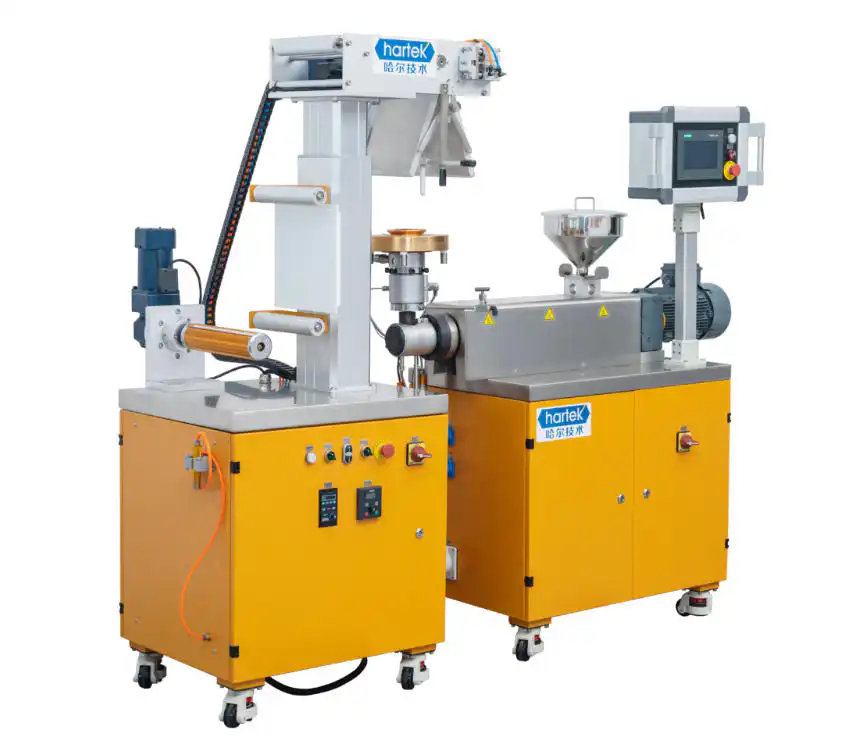
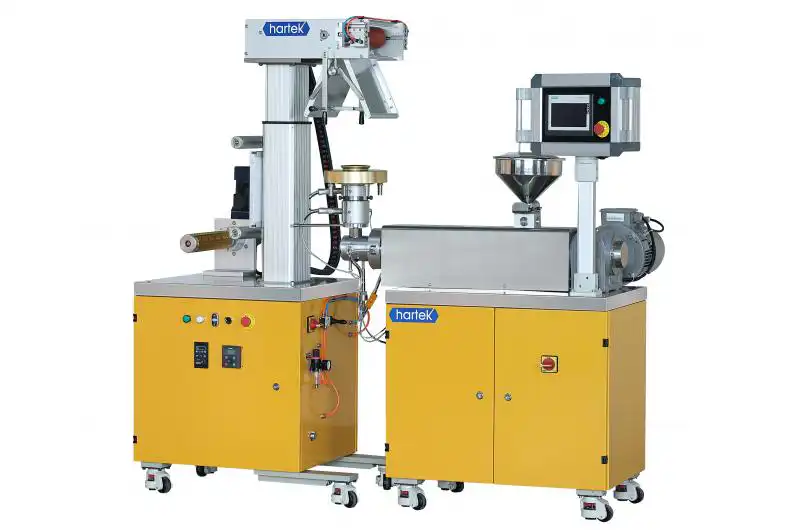
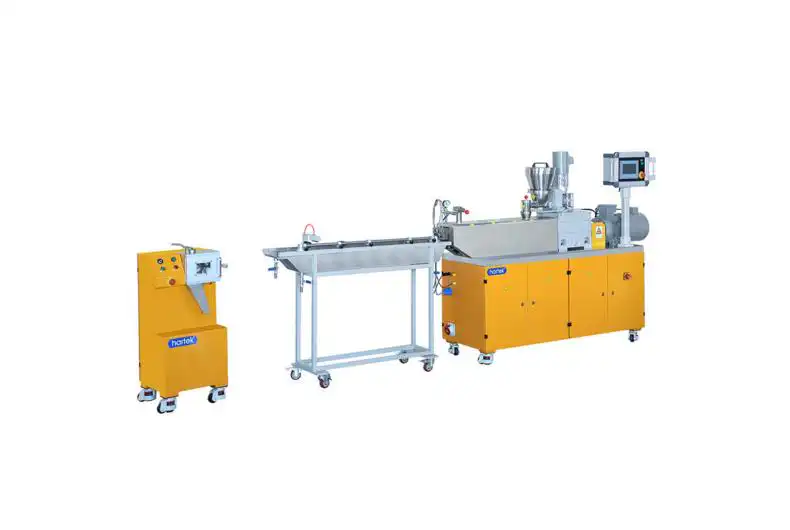
يمثل إنتاج الأغشية المنفوخة باستخدام المواد القابلة للتحلل الحيوي مثل PLA وPBAT وPBS تحديًا مزدوجًا لتكوين المعدات وقدرات تحسين العملية. فالتجفيف الدقيق والتحكم الدقيق في درجة الحرارة والتبريد السريع والتركيبة المناسبة - كل خطوة من هذه الخطوات تحدد جودة الفيلم النهائية. وقد خضع الخط التجريبي للأغشية المنفوخة الخاص بشركتنا للعديد من التحسينات خصيصًا للمواد القابلة للتحلل الحيوي: برغي فولاذي صلب بالكامل مع قسم خلط، وقوالب مرآة حلزونية من نوع المغزل الحلزوني، وحلقة هواء ثنائية المخرج قابلة للتعديل، ولف حلقة التوتر المستمر ذات الحلقة المغلقة. توفر Hartek أيضًا دعمًا لضبط العملية لمساعدتك في العثور بسرعة على نافذة المعلمات المثلى لموادك المحددة.
 Arabic
  English
  German
  Spanish
  French
  Russian