
Author name: hartek

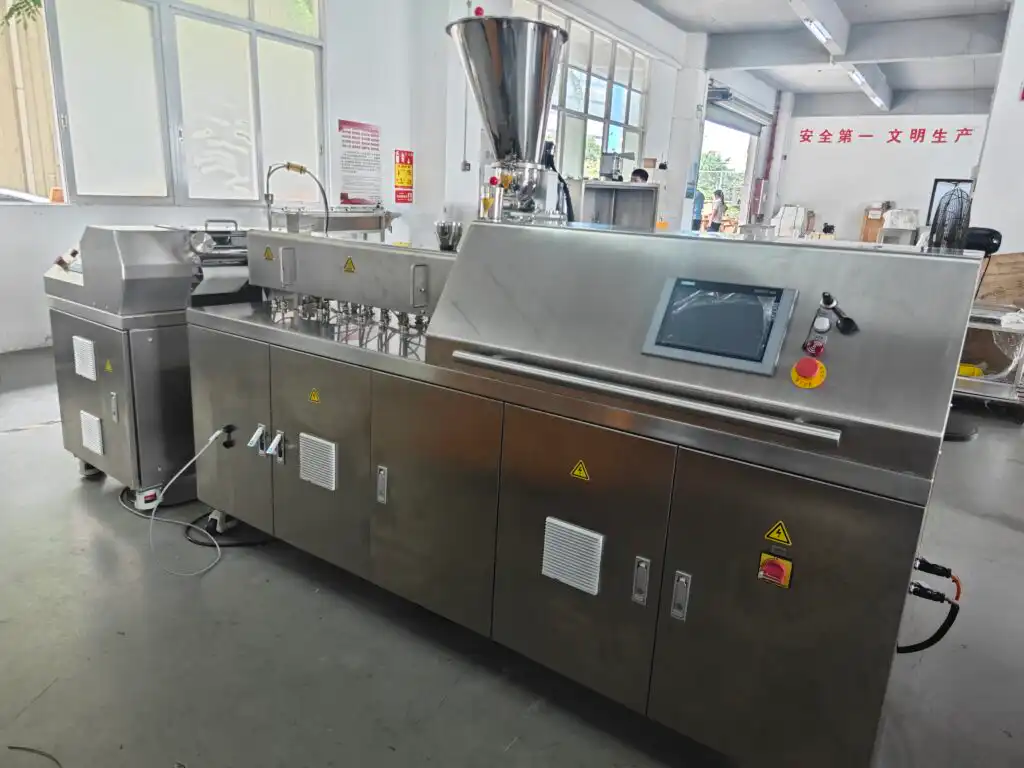
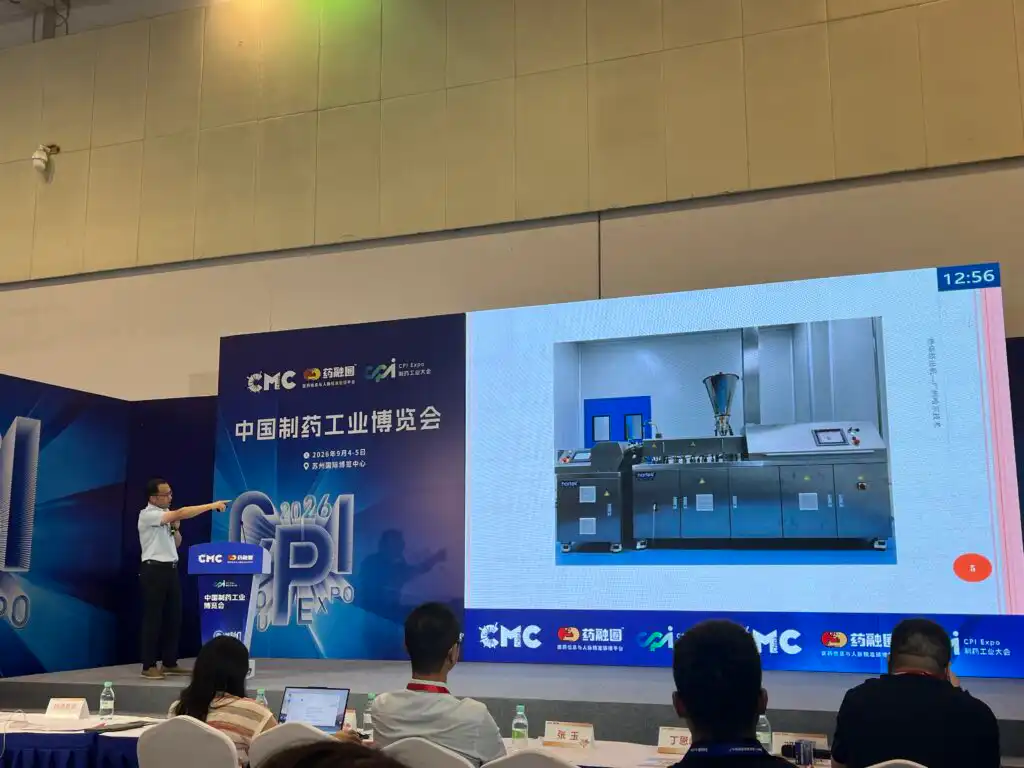
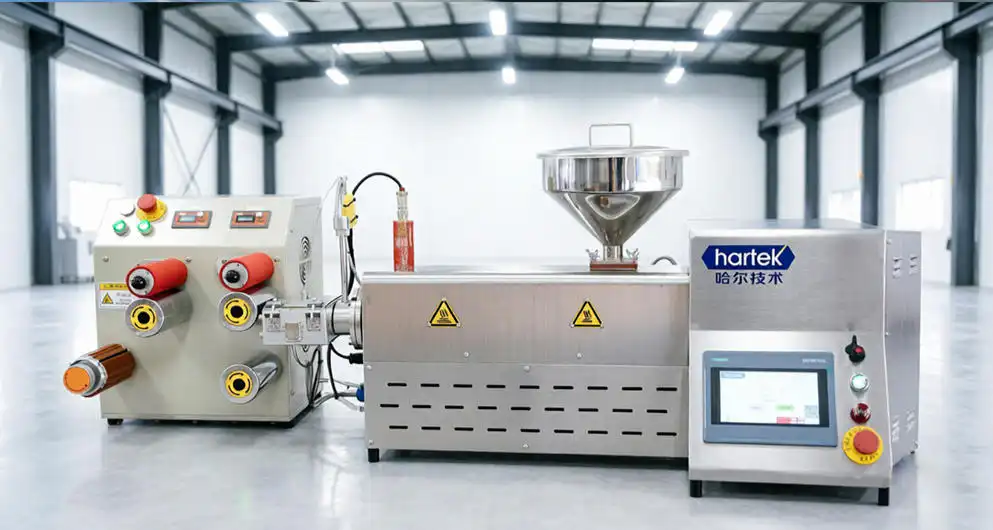
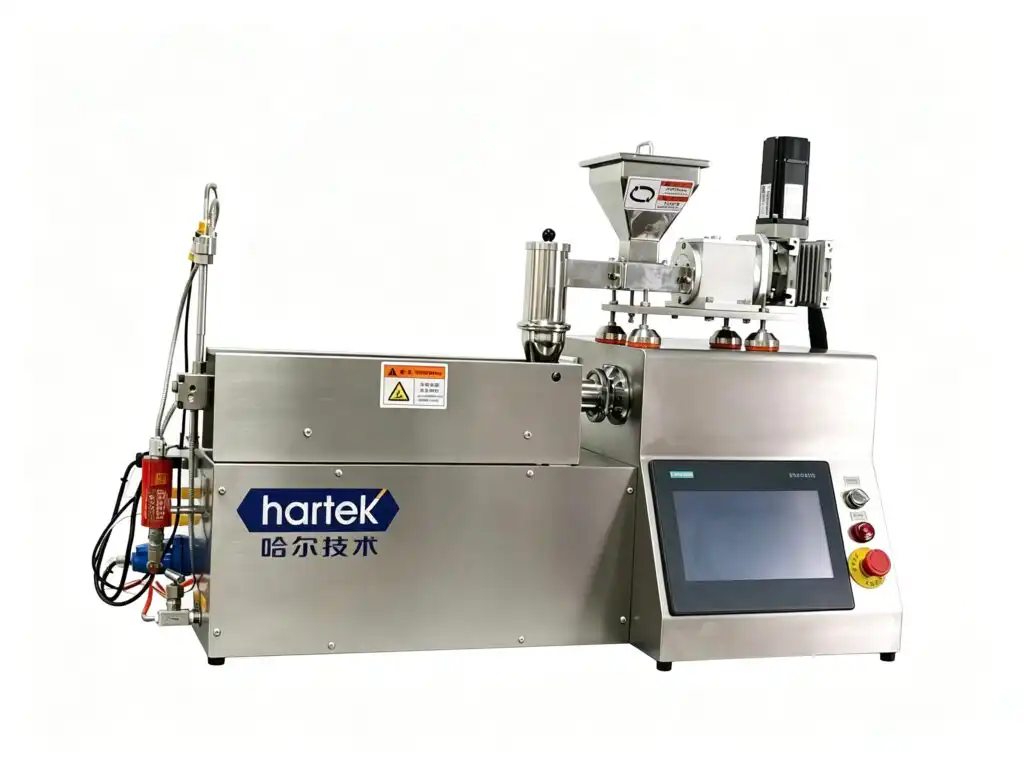
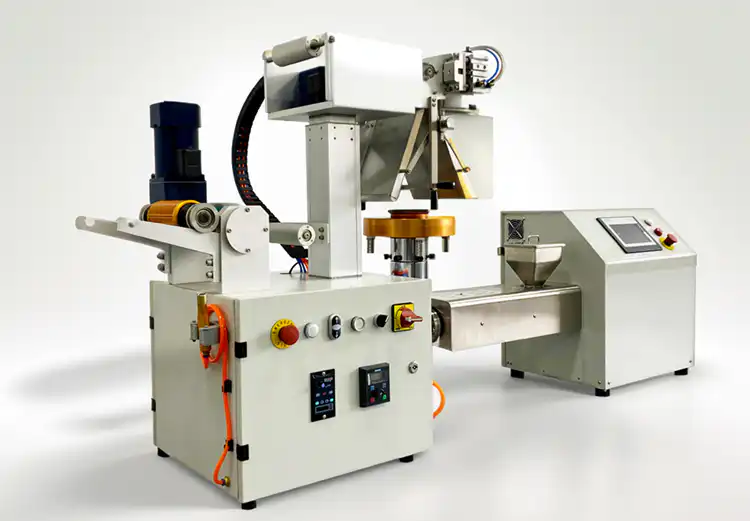
desktop twin-screw extruders

Comprehensive Analysis of Extruders

Comprehensive Analysis of Extruders: Working Principle, Classification, Structure, Application Industries, and Selection Guidelines An extruder, fully known as a screw-type plastics extruder, is the core primary equipment in the field of polymer material processing. It is often hailed as the “machine tool of the plastics processing industry.” Its core principle is to use the rotational […]

Comprehensive Analysis of Extruders Read More »

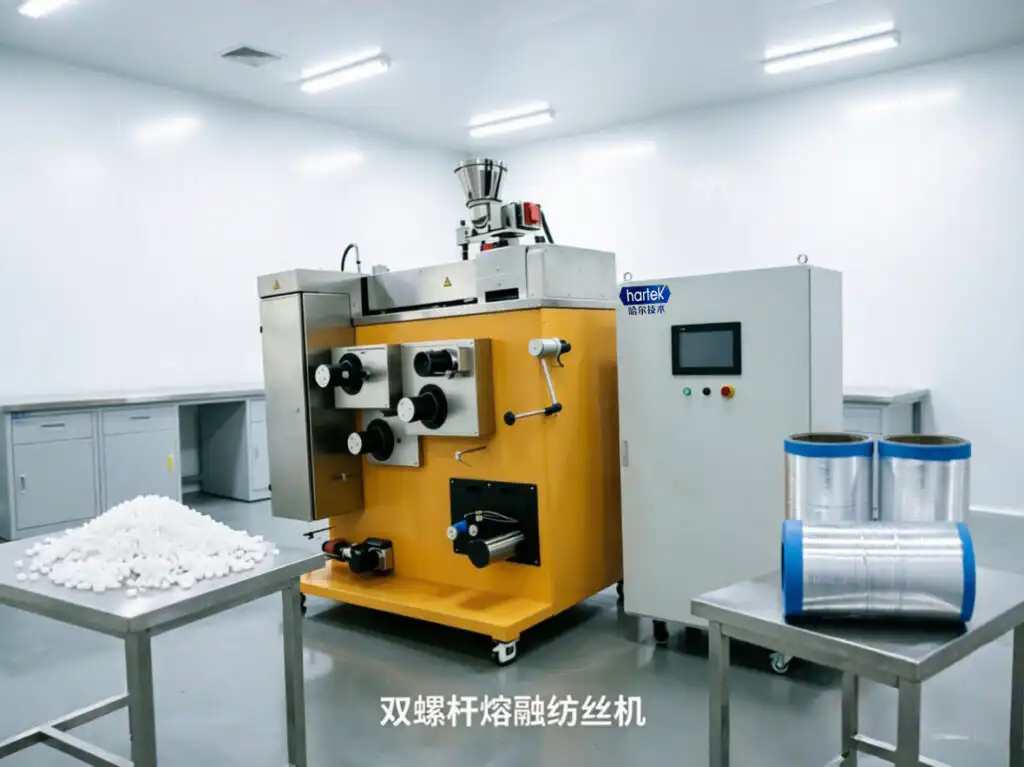
Twin-screw Melt Spinning Machine

Laboratory Twin-screw Melt Spinning Machine Application

What is the R&D value of PET/PP spinning? The answer may not lie in the laboratory, but in the end-application fields of seven major industries. HALU’s laboratory twin-screw melt spinning machine is helping customers in various industries quickly transform new material formulations into evaluable fiber samples. Packaging Industry: Biodegradable PBAT/PLA flat and monofilament yarns for

Laboratory Twin-screw Melt Spinning Machine Application Read More »

desktop spinning extruder

Desktop Spinning Extruder

Researchers working on new materials have all experienced this: They painstakingly produce a sample in the lab using a desktop spinning extruder, and the performance seems promising. However, when they confidently prepare to scale up the production line, the resulting product either lacks strength, has a rough surface, or simply cannot be extruded. Upon investigation,

Desktop Spinning Extruder Read More »

Blown Film

Guide to Optimizing Material and Process Parameters for Blown film

I. Comparison of blown film characteristics of three biodegradable materials Material Melt strength Thermal stability Difficulty PLA Low Poor (easily hydrolyzed and thermally degraded) The membrane bubble is prone to shaking, has large lateral shrinkage, and the membrane is brittle. PBAT medium better Highly adhesive, prone to sticking, and difficult to roll up. PBS Low/medium

Guide to Optimizing Material and Process Parameters for Blown film Read More »

hot melt extrusion

Application of hot melt extrusion technology in pharmaceutical solid dispersions

I. Technical Principles and Advantages for hot melt extrusion Hot melt extrusion (HME) technology utilizes thermodynamic and kinetic principles to transport, shear, melt, and mix active pharmaceutical ingredients (APIs), polymer carriers, and functional excipients within a heated barrel using intermeshing screws. This forms a uniform and continuous melt, which is then extruded through a die

Application of hot melt extrusion technology in pharmaceutical solid dispersions Read More »

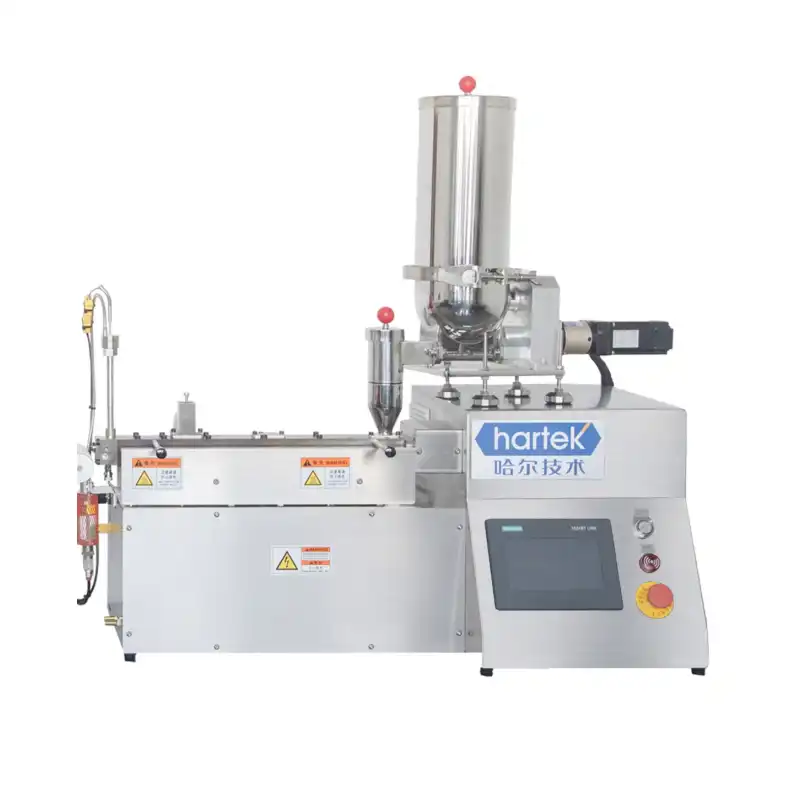
desktop extruder

Desktop Extruder For Blown Film, Wire and Granulation

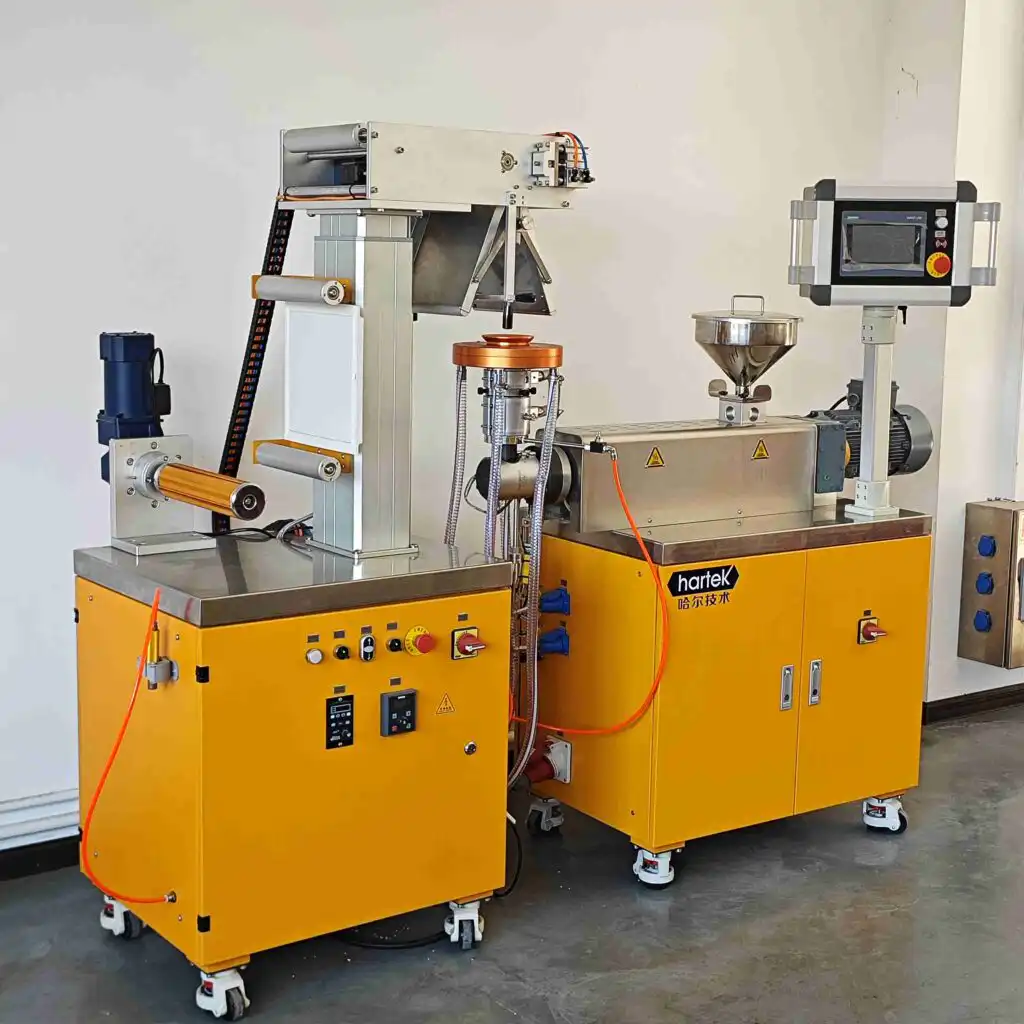
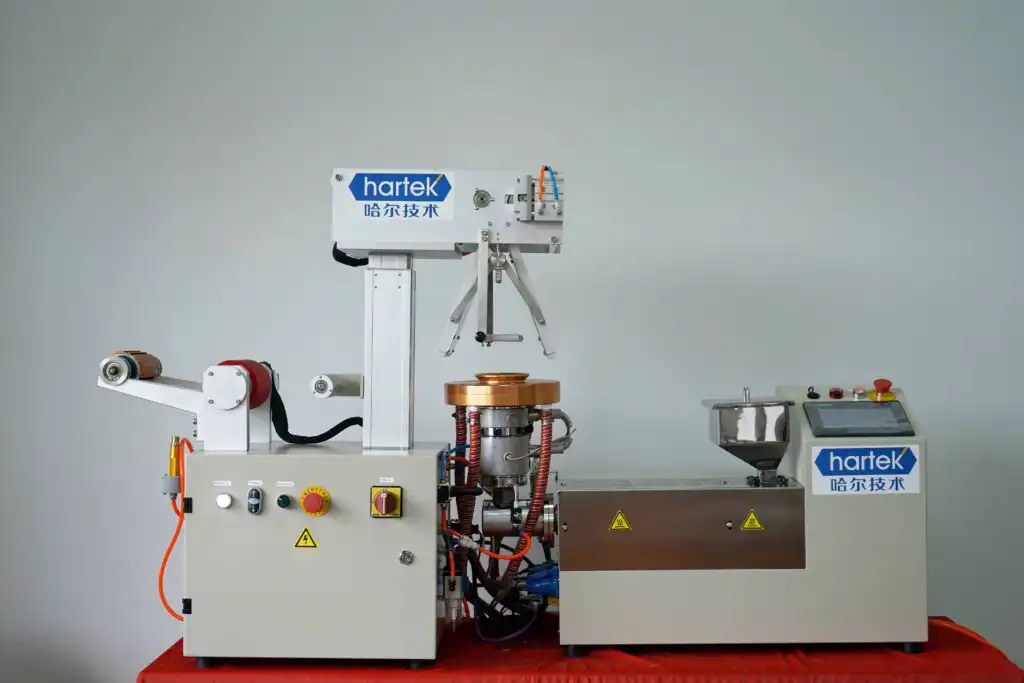
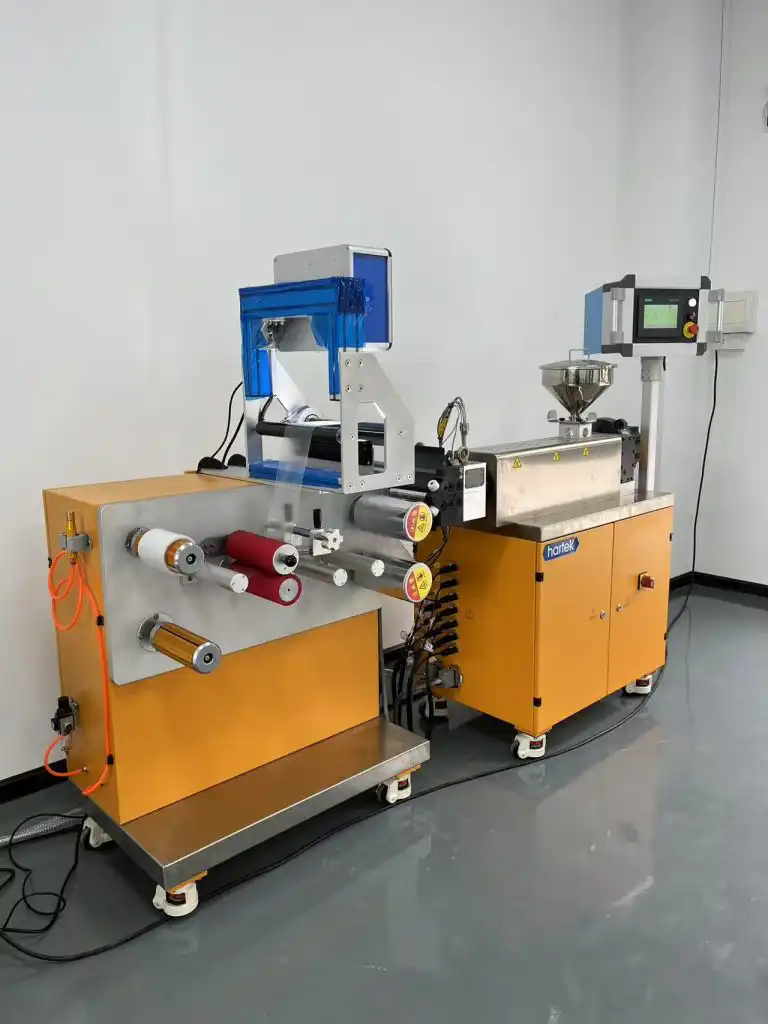
When desktop extruders are mentioned, many people immediately think of “3D printing filament machines.” However, by changing the die head and auxiliary equipment, the same desktop extruder can produce cast films, blown films, sheets, granulation, and even melt spinning. This is the concept of a “desktop polymer processing platform” advocated by Hartek. I. Universal Main

Desktop Extruder For Blown Film, Wire and Granulation Read More »

Laboratory twin-screw extruder

Recombinant Rice Formulation – Lab Twin-Screw Extruder

Amidst the wave of innovation in the food industry, reconstituted rice is gaining widespread attention as an emerging food ingredient. However, the high costs and low efficiency resulting from repeated trials in the formulation development of reconstituted rice have become a key bottleneck restricting technological breakthroughs for enterprises. To address this need, Hartek’s lab twin-screw

Recombinant Rice Formulation – Lab Twin-Screw Extruder Read More »

blown film machine

Selection Guide for Single-Layer and Multi-Layer Co-Extrusion Blown Film Machine

When developing polymer films, blown film machine lines are used. Laboratory blown film machines are divided into single-layer and multi-layer types. The R&D team needs to select the technology according to its own needs. Single-layer vs. multi-layer co-extrusion blown film experimental lines: How to choose according to R&D needs? The following content provides an objective

Selection Guide for Single-Layer and Multi-Layer Co-Extrusion Blown Film Machine Read More »

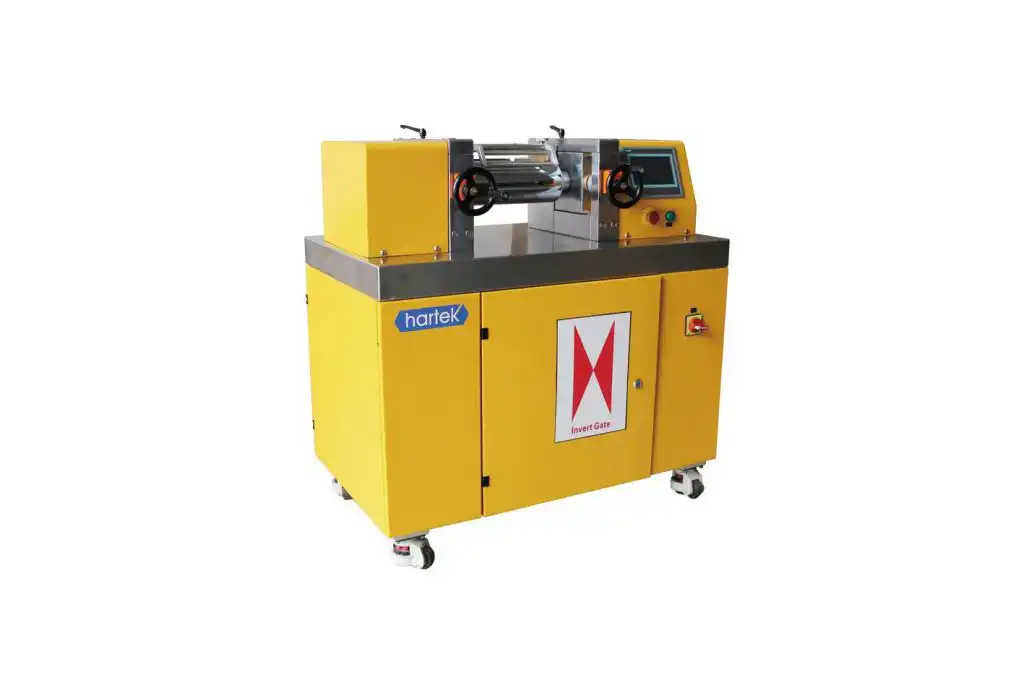
Lab Banbury Mixer

Laboratory Banbury Mixer Buying Guide

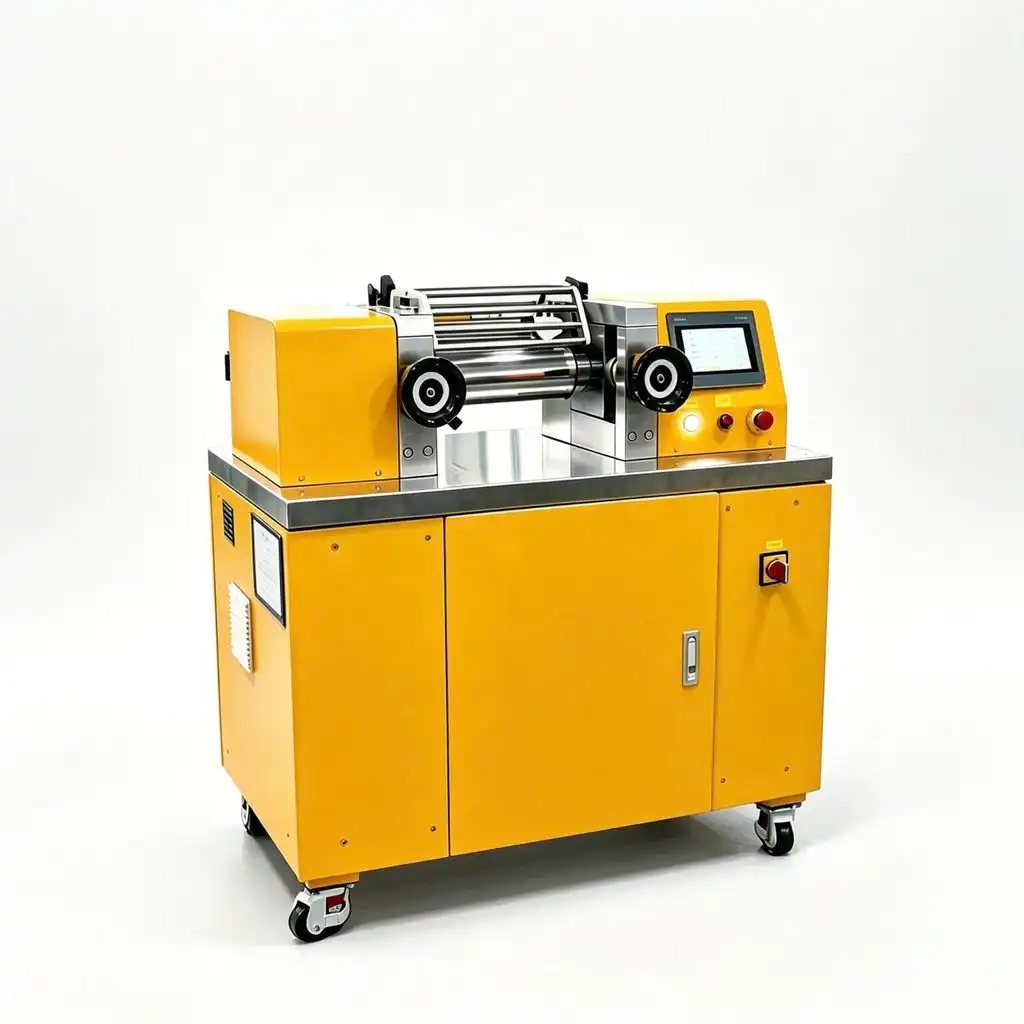
In university polymer materials laboratories and corporate R&D centers, banbury mixers (also known as closed-loop rubber mixing mills) are core equipment for research on the blending and modification of plastics, rubber, and elastomers, filler dispersion, and reactive processing. A suitable laboratory banbury mixer should not only accurately reflect the mixing behavior of materials but also

Laboratory Banbury Mixer Buying Guide Read More »

Twin-screw Granulation Line

How to Select a Laboratory Twin-screw Granulation Line

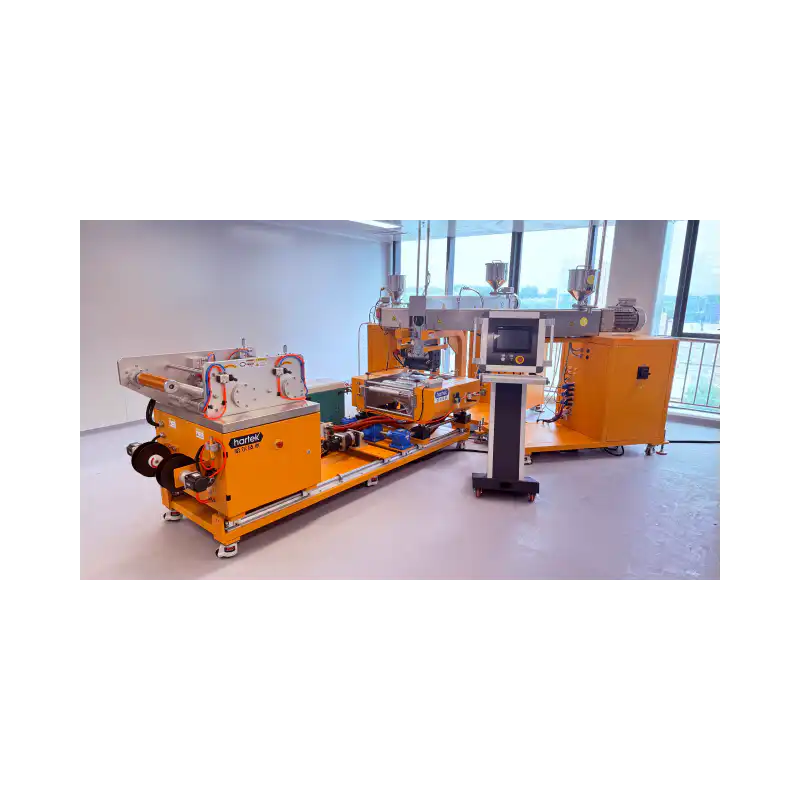
When conducting research and development on new materials, processes, or formulations in the laboratory, ensuring experimental efficiency and scalable reproducibility of data during sample preparation is crucial. As the core equipment for sample preparation, the performance adaptability of the laboratory twin-screw granulation line directly impacts the research results. When selecting a lab twin-screw granulation line,

How to Select a Laboratory Twin-screw Granulation Line Read More »

desktop blown film machine

Hartek in Vietnam plas 2025

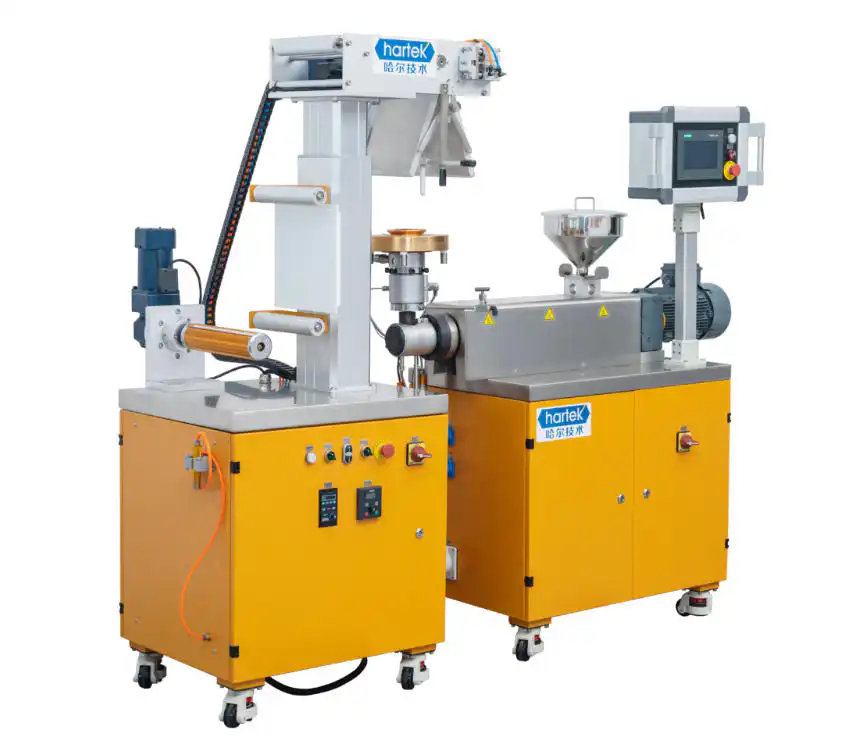
Hartek cordially invites you to the 23rd Vietnam International Rubber and Plastics Industry Exhibition (VietnamPlas 2025) in 2025. At the exhibition, our company will showcase our desktop blown film machine and demonstrate our technological achievements in the field of miniaturized and intelligent plastic machinery. Exhibition Information: The desktop blown film machine showcased here is a

Hartek in Vietnam plas 2025 Read More »

en_USEnglish
Scroll to Top